

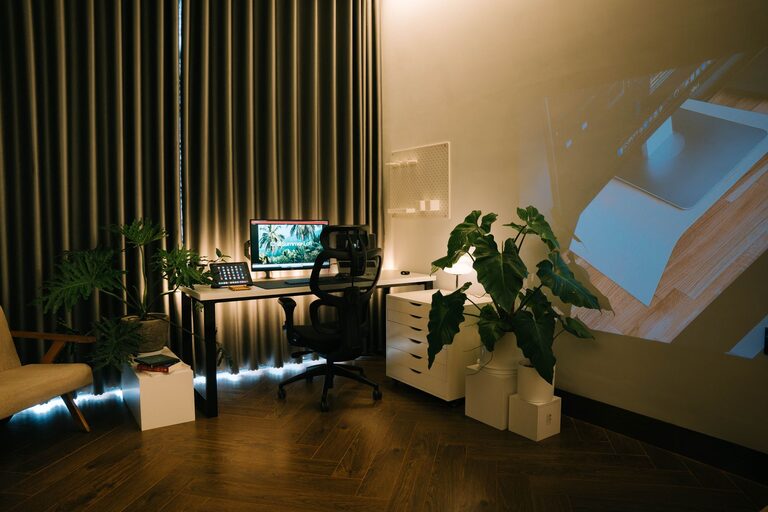
Creating a relaxing home workspace is essential for staying focused and motivated, especially as more people work remotely. A well-designed area that blends comfort and functionality can improve your mood, increase productivity, and help separate work life from personal time. Whether you have a dedicated room or a small corner, you can transform it into a calming space that supports your daily tasks. Here’s a detailed guide on how to craft a relaxing home workspace.
Choose the Right Location
Finding the right spot in your home is the first step. Ideally, select a quiet area with minimal distractions. If possible, choose a space near natural light, such as by a window, which can improve mood and reduce eye strain. Avoid places with heavy foot traffic or loud noises. If space is limited, a corner of your living room or bedroom can work fine as long as you create clear boundaries.
Declutter and Organize
A cluttered workspace can increase stress and make it harder to focus. Start by clearing away unnecessary items. Keep only what’s essential for your daily work on your desk. Use storage solutions like drawers, shelves, or organizers to keep papers, office supplies, and gadgets neatly arranged. Label containers if helpful.
Tips for Organization:
– Use cable management to keep cords tidy.
– Opt for vertical storage to save desk space.
– Keep a small trash bin nearby to discard waste immediately.
– Use a desk planner or calendar to organize tasks visually.
Select Comfortable and Functional Furniture
Your furniture plays a big role in comfort and productivity. Choose an ergonomic chair that supports your back to prevent pain during long working hours. The desk should be at a height that lets your arms rest comfortably without strain.
Considerations for Furniture:
– Adjustable chairs for better posture.
– Desks with enough surface area for your computer and documents.
– Footrests if your feet don’t comfortably reach the floor.
– A standing desk option if you want to alternate between sitting and standing.
Use Calming Colors and Decor
Colors influence how we feel. Soft, neutral tones like light blues, greens, and grays promote calmness and concentration. Avoid overly bright or distracting patterns.
Decorate your space with items that bring you joy and calm, such as:
– Green plants that add a touch of nature and improve air quality.
– Artwork or prints that inspire or soothe.
– Minimalist desk accessories to avoid clutter.
Optimize Lighting
Good lighting reduces eye strain and keeps you alert. Natural light is best, but supplement with warm white LED lamps to create a cozy atmosphere. Position your light source to avoid glare on your computer screen.
Lighting Tips:
– Use adjustable desk lamps to focus light where you need it.
– Consider indirect lighting options like floor lamps to reduce harsh shadows.
– Close blinds or curtains when sunlight is too strong.
Incorporate Soothing Elements
Adding relaxing elements can help reduce stress during work breaks and improve your overall experience.
Some ideas include:
– A small water fountain or sound machine with nature sounds.
– Aromatherapy with essential oils like lavender or eucalyptus, using a diffuser.
– Comfortable cushions or throws for quick breaks.
Establish Boundaries and Routine
Even in a relaxing workspace, setting boundaries between work and personal time is key for mental health.
– Define your working hours and try to stick to them.
– Use your workspace only for work to create a clear mental association.
– Take short breaks to stretch and breathe deeply to stay refreshed.
Keep Technology in Check
Technology is necessary but can also become a source of stress if not managed well.
– Turn off non-essential notifications while working.
– Use apps and tools that help you focus, such as timers or website blockers.
– Keep your devices organized on your desk to avoid chaos.
Personalize Without Overdoing It
Adding personal touches makes your workspace inviting but avoid overdecorating, which can be distracting.
Balance is key:
– Showcase a few meaningful photos or souvenirs.
– Use personalized stationery or mugs.
– Keep the overall look simple and clean.
Regularly Refresh Your Space
A relaxing workspace needs maintenance. Regularly clean your desk, reorganize items, and swap out decor to keep the space feeling fresh and inviting.
—
Creating a relaxing home workspace isn’t about perfection; it’s about building a space that helps you work comfortably and calmly. By choosing the right location, keeping organized, adding comfortable furniture, and incorporating soothing elements, you’ll create an environment that supports productivity and wellbeing every day. Start small and adapt your space as your needs change. Your work and peace of mind will thank you!